Top HVAC Tips for Your Home in Gary, Indiana
Maintaining a comfortable home in Gary, Indiana, requires an efficient heating, ventilation, and air conditioning (HVAC) system. With the fluctuating temperatures throughout the year, it’s essential to ensure your HVAC system is running smoothly. This blog post will provide you with practical tips to optimize your HVAC system, save on energy costs, and enhance indoor air quality.
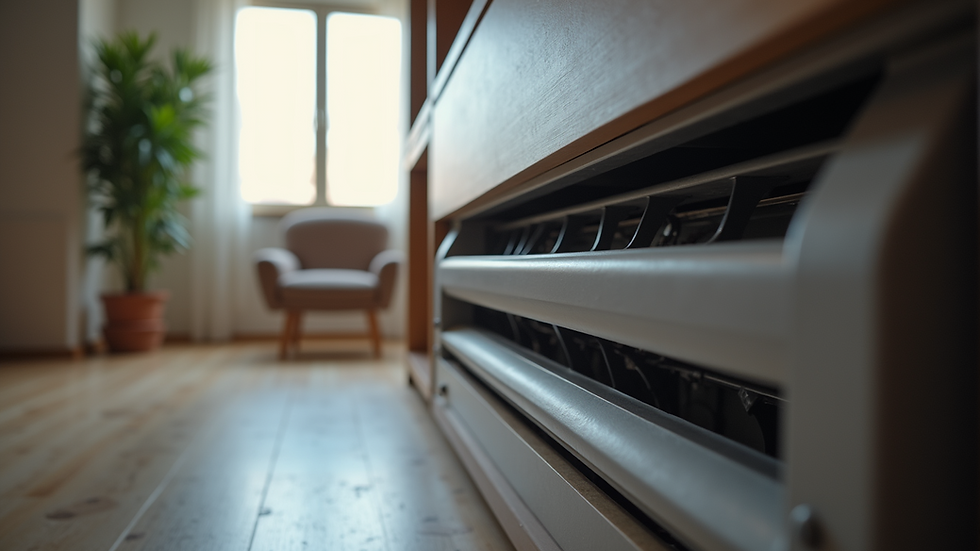
Understanding Your HVAC System
Before diving into tips, it’s crucial to understand the components of your HVAC system. Typically, an HVAC system includes:
Heating Unit: This could be a furnace or heat pump that warms your home during the colder months.
Cooling Unit: Usually an air conditioner that cools your home in the summer.
Ventilation: This includes ductwork and fans that circulate air throughout your home.
Thermostat: The control system that regulates the temperature.
Understanding these components will help you make informed decisions about maintenance and upgrades.
Regular Maintenance is Key
One of the most effective ways to ensure your HVAC system operates efficiently is through regular maintenance. Here are some essential maintenance tips:
Change Filters Regularly
Dirty filters can restrict airflow, making your system work harder. It’s recommended to check and replace your filters every 1-3 months, especially during peak usage seasons.
Schedule Professional Inspections
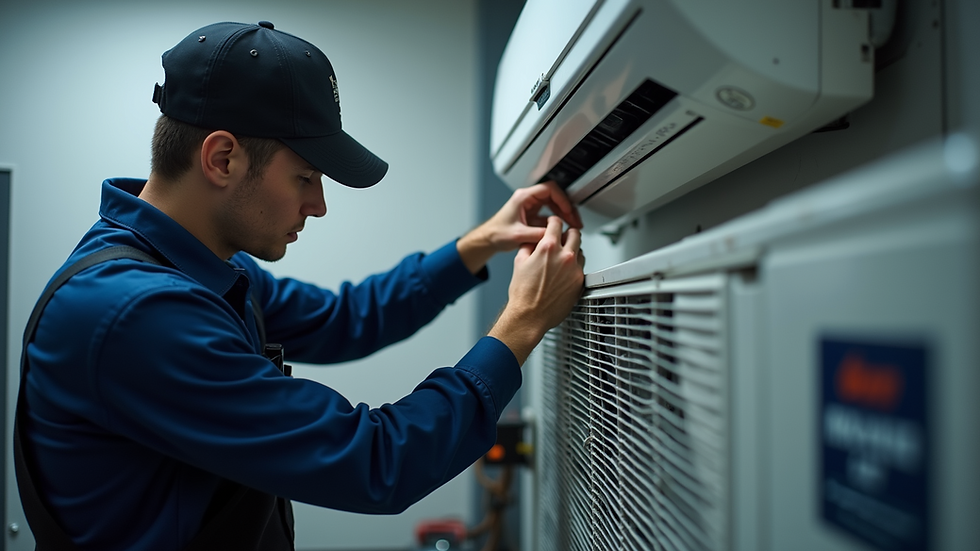
Having a professional inspect your HVAC system at least once a year can help identify potential issues before they become major problems. During these inspections, technicians can clean components, check for leaks, and ensure everything is functioning correctly.
Clean the Ducts
Over time, dust and debris can accumulate in your ductwork, affecting air quality and efficiency. Consider having your ducts cleaned every few years to maintain optimal airflow and reduce allergens in your home.
Optimize Your Thermostat Settings
Your thermostat plays a significant role in your HVAC system's efficiency. Here are some tips to optimize its use:
Use a Programmable Thermostat
Investing in a programmable thermostat can help you save on energy costs. You can set different temperatures for different times of the day, ensuring your HVAC system is not running unnecessarily when you’re not home.
Set Appropriate Temperatures
During winter, set your thermostat to around 68°F when you’re home and lower it when you’re away. In summer, aim for 78°F when you’re home and higher when you’re out. These small adjustments can lead to significant savings.
Enhance Insulation and Sealing
Proper insulation and sealing can greatly improve your HVAC system's efficiency. Here’s how:
Insulate Your Home
Ensure your home is well-insulated, especially in the attic and walls. This helps maintain the desired temperature, reducing the workload on your HVAC system.
Seal Leaks
Check for drafts around windows, doors, and ductwork. Sealing these leaks with weatherstripping or caulk can prevent conditioned air from escaping, improving efficiency.
Consider Upgrading Your System
If your HVAC system is over 10-15 years old, it may be time to consider an upgrade. Newer systems are often more energy-efficient and can save you money in the long run. Here are some factors to consider:
Energy Efficiency Ratings
Look for systems with high Seasonal Energy Efficiency Ratio (SEER) ratings for air conditioners and Annual Fuel Utilization Efficiency (AFUE) ratings for furnaces. Higher ratings indicate better energy efficiency.
Size Matters
Ensure your new HVAC system is appropriately sized for your home. An oversized system can lead to short cycling, while an undersized system may struggle to maintain comfort. Consult with a professional to determine the right size for your needs.
Improve Indoor Air Quality
Maintaining good indoor air quality is essential for your health and comfort. Here are some tips to enhance the air quality in your home:
Use Air Purifiers
Consider using air purifiers with HEPA filters to reduce allergens and pollutants in your home. This is especially beneficial for those with allergies or respiratory issues.
Ventilate Properly
Ensure your home has adequate ventilation to allow fresh air to circulate. Open windows when weather permits and use exhaust fans in kitchens and bathrooms to remove moisture and odors.
Monitor Energy Usage
Keeping an eye on your energy usage can help you identify areas for improvement. Here are some ways to monitor and manage your energy consumption:
Use Energy Monitoring Devices
Consider investing in energy monitoring devices that track your HVAC system's energy usage. This can help you identify patterns and make adjustments to improve efficiency.
Review Utility Bills
Regularly review your utility bills for any spikes in usage. If you notice an increase, it may indicate an issue with your HVAC system that needs attention.
Stay Informed About Local Climate
Understanding the local climate in Gary, Indiana, can help you make informed decisions about your HVAC system. The area experiences cold winters and hot summers, making it essential to have a reliable HVAC system year-round.
Prepare for Seasonal Changes
As seasons change, adjust your HVAC settings accordingly. Ensure your heating system is ready for winter and your cooling system is prepared for summer. This proactive approach can prevent unexpected breakdowns.
Conclusion
By following these HVAC tips, you can ensure your home remains comfortable throughout the year while also saving on energy costs. Regular maintenance, proper insulation, and monitoring your system's performance are all crucial steps in optimizing your HVAC system. Remember, a well-maintained HVAC system not only enhances your comfort but also contributes to better indoor air quality and energy efficiency.
Take the time to implement these tips, and enjoy a more comfortable and efficient home in Gary, Indiana. If you have any questions or need assistance with your HVAC system, don’t hesitate to reach out to a local professional for help.

Comments