Choosing the Right Heating System for Your Family
When winter arrives, the comfort of your home becomes a top priority. Choosing the right heating system is essential not only for warmth but also for energy efficiency and cost-effectiveness. With various options available, it can be overwhelming to decide which system best suits your family's needs. This guide will help you navigate the choices and find the perfect heating solution for your home.

Understanding Your Heating Needs
Before diving into the types of heating systems available, it's crucial to assess your family's specific needs. Consider the following factors:
Home Size: Larger homes may require more powerful systems or multiple units.
Insulation Quality: Well-insulated homes retain heat better, potentially allowing for smaller systems.
Climate: Colder climates may necessitate more robust heating solutions.
Budget: Both initial installation costs and long-term operating expenses should be considered.
Types of Heating Systems
Central Heating Systems
Central heating systems distribute heat throughout your home from a single source. Here are the most common types:
1. Forced Air Systems
Forced air systems use ducts to circulate warm air. They can be powered by gas, electricity, or oil.
Pros:
Quick heating
Can also be used for cooling with an air conditioning unit
Easy to install in existing homes
Cons:
Can be noisy
Requires regular maintenance of ducts
2. Radiant Heating
Radiant heating systems warm the floors or walls of your home, providing even heat distribution.
Pros:
Energy-efficient
Silent operation
Comfortable heat without drafts
Cons:
Higher installation costs
Slower to heat up compared to forced air systems
Space Heating Systems
Space heaters are ideal for heating individual rooms or areas. They can be a great supplement to central heating.
1. Electric Space Heaters
Electric space heaters are portable and easy to use. They can be moved from room to room as needed.
Pros:
Affordable and easy to install
No need for ductwork
Cons:
Higher operating costs if used frequently
Limited heating capacity
2. Gas Space Heaters
Gas space heaters can be vented or unvented and are typically more efficient than electric models.
Pros:
Lower operating costs compared to electric
Quick heating
Cons:
Requires gas line installation
Safety concerns with unvented models
Energy Efficiency Considerations
When selecting a heating system, energy efficiency is a critical factor. Look for systems with high Annual Fuel Utilization Efficiency (AFUE) ratings. The higher the rating, the more efficient the system.
Energy Star Ratings
Systems that have earned the Energy Star label meet strict energy efficiency guidelines set by the U.S. Environmental Protection Agency. Choosing an Energy Star-rated system can lead to significant savings on your energy bills.
Installation and Maintenance
Professional Installation
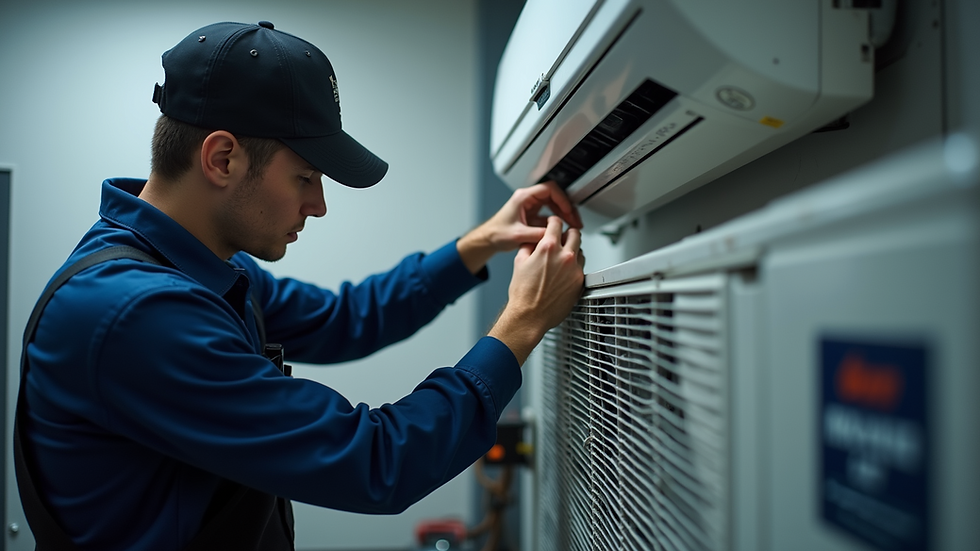
While some heating systems can be installed as DIY projects, hiring a professional ensures that the system is set up correctly and safely. A qualified technician can also help you select the right size and type of system for your home.
Regular Maintenance
Regular maintenance is essential for keeping your heating system running efficiently. Schedule annual inspections and cleanings to prevent breakdowns and extend the life of your system.
Cost Considerations
Initial Costs
The initial cost of a heating system can vary widely based on the type, size, and installation requirements. Here’s a rough breakdown:
Forced Air Systems: $3,000 to $7,000
Radiant Heating: $6,000 to $20,000
Electric Space Heaters: $20 to $500
Gas Space Heaters: $300 to $1,500
Operating Costs
Operating costs depend on fuel prices, system efficiency, and usage patterns. It's essential to consider both initial and long-term costs when making your decision.
Environmental Impact
Choosing an energy-efficient heating system can also reduce your carbon footprint. Systems that use renewable energy sources, such as solar or geothermal heating, are particularly eco-friendly options.
Renewable Energy Options
Solar Heating: Uses solar panels to capture energy from the sun.
Geothermal Heating: Utilizes the earth's constant temperature to heat and cool your home.
Making the Right Choice
Choosing the right heating system for your family involves balancing comfort, efficiency, and budget. Here are some steps to help you make the best decision:
Assess Your Needs: Consider your home size, insulation, climate, and budget.
Research Options: Look into different heating systems and their pros and cons.
Consult Professionals: Get quotes and advice from heating contractors.
Consider Future Needs: Think about potential changes in your family size or home layout.
Conclusion
Selecting the right heating system is a significant decision that impacts your family's comfort and energy costs. By understanding your needs, exploring various options, and considering energy efficiency, you can make an informed choice that keeps your home warm and cozy for years to come. Take the time to research and consult with professionals to ensure you find the best heating solution for your family.

Comments